Introduction to Solar Energy
Solar energy is one of the most sustainable and abundant power sources available today. By utilizing sunlight, you can generate electricity, lower your energy costs, and contribute to a cleaner planet. This guide provides a comprehensive overview of solar energy, including its benefits, installation process, and maintenance requirements.
Why Choose Solar Energy?
1. Significant Cost Savings
Investing in solar energy helps reduce your electricity bills. Once installed, solar panels generate free electricity for decades, offering substantial long-term savings.
2. Energy Independence
Solar panels reduce your reliance on the power grid, shielding you from fluctuating electricity rates and potential blackouts.
3. Eco-Friendly Power
Solar energy is a renewable and clean power source, helping to lower carbon emissions and decrease dependence on fossil fuels.
4. Boost in Property Value
Homes with solar panel systems tend to have higher resale values and sell faster than those without.
Types of Solar Power Systems
1. Grid-Tied Solar Systems
-
Connected to the utility grid
-
No battery storage required
-
Excess energy can be sent back to the grid for credits (Net Metering)
-
Most cost-effective option
2. Off-Grid Solar Systems
-
Operates independently from the power grid
-
Requires battery storage for energy reserves
-
Ideal for remote areas
-
Higher upfront cost but offers full energy autonomy
3. Hybrid Solar Systems
-
Combines features of grid-tied and off-grid systems
-
Includes battery storage for backup power
-
Prioritizes solar power first, then grid power if needed
-
Higher cost but provides energy security
How Solar Panels Work
-
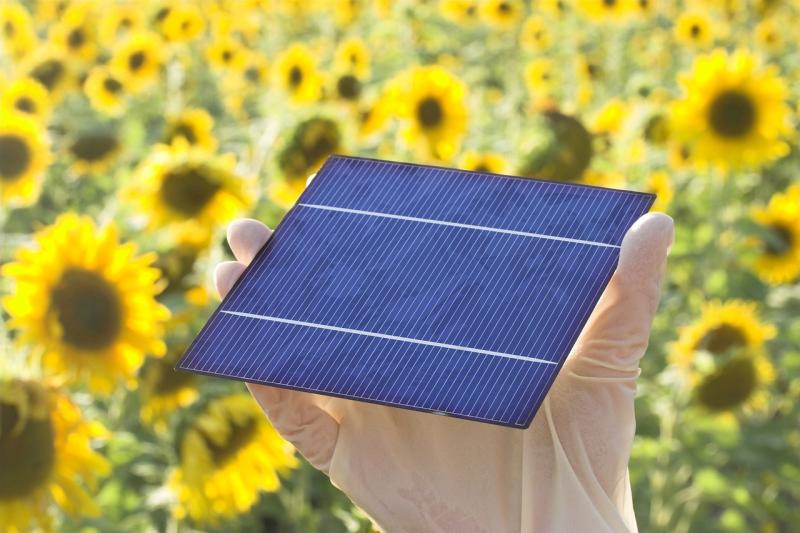
Sunlight Absorption – Photovoltaic (PV) cells capture sunlight and convert it into direct current (DC) electricity.
-
Power Conversion – An inverter transforms DC electricity into alternating current (AC), making it usable for household appliances.
-
Electricity Distribution – The generated power runs your home’s electrical systems.
-
Energy Storage or Grid Export – Surplus energy is either stored in batteries or transferred to the grid for credit (where net metering is available).
Selecting the Right Solar Panels
When choosing solar panels, consider the following:
1. Efficiency
-
Higher efficiency panels generate more electricity per square foot.
-
Monocrystalline panels are the most efficient option.
2. Durability & Warranty
-
Panels should withstand harsh weather conditions.
-
Reputable manufacturers offer warranties of up to 25 years.
3. Cost & Brand Reputation
-
Compare prices among trusted brands.
-
Read customer reviews and check warranty terms.
Solar Installation Process
-
Site Evaluation – Assess roof space, sun exposure, and energy requirements.
-
System Design – Choose the appropriate solar system size and type.
-
Permitting & Approvals – Obtain necessary local permits and approvals.
-
Installation – Professional installation of panels, inverters, and wiring.
-
Inspection & Activation – System inspection and grid connection for operation.
Solar Incentives & Financial Benefits
Many incentives help reduce the initial cost of solar installations, including:
-
Federal Solar Tax Credit (ITC) – A tax incentive that lowers solar installation costs.
-
State & Local Rebates – Additional financial incentives available in some regions.
-
Net Metering Programs – Earn credits by returning excess power to the grid.
-
Utility Company Discounts – Check with your provider for extra savings.
Solar Panel Maintenance & Care
-
Routine Cleaning – Remove dirt and debris periodically to maintain efficiency.
-
Annual System Inspections – Ensure there are no wiring or panel issues.
-
Performance Monitoring – Use a solar monitoring system to track energy production.
Frequently Asked Questions
1. How long do solar panels last?
Most solar panels have a lifespan of 25-30 years with proper maintenance.
2. Will my solar panels work on cloudy days or at night?
Solar panels generate less power on cloudy days and none at night. Grid-tied systems supplement power from the grid, while off-grid systems rely on battery storage.
3. Can I install solar panels myself?
DIY solar kits are available, but professional installation ensures efficiency, safety, and compliance with regulations.
Conclusion: Is Solar Right for You?
If you're looking for a cost-effective, sustainable, and long-term energy solution, solar power is an excellent choice. Whether you want to cut costs, gain energy independence, or support environmental sustainability, switching to solar is a smart decision.